What Type Of Butter Should I Use?
Back in my college years, when I really first started to dive into nutrition, I made a lot of "diet" mistakes. One of them being my butter choice.
For many years, my self and plenty others were brainwashed into thinking that you didn't want to eat a lot of saturated fat. That it was bad for you, your heart and arteries. We won't even get into the evil villain I thought cholesterol was (boy was I wrong).
So because I wanted to steer clear of as much saturated fat, cholesterol, and just fat in general, I always bought the margarine spreads and especially the butter sprays thinking it was healthier for me than real butter.
While butter is 100% natural, margarine is 100% man-made. All margarine and margarine products are made of vegetable oils (soybean oil, canola, olive oil) which have been heated at extremely high temperatures. This causes the oils in margarine to become rancid. Meaning horrible for your health and damaging free radicals in your body.

Margarine and other butter-like products contain other extremely harmful ingredients such as emulsifiers, preservatives, artificial flavors, sterols, hexane, and many other artificial and synthetic ingredients. Hexane alone shouldn't be consumed, as it's derived from crude oil.
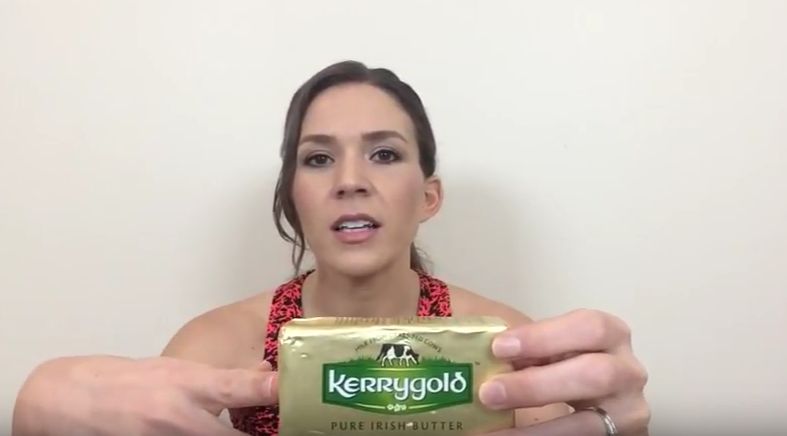
Look, just as I explain in the video above...Just Eat REAL Butter! It's that simple!
Health Benefits of Eating Real Butter on a Regular Basis:
- Butter helps to supply your body with essential fatty acids - Which is great for supporting your immune system and boosting metabolism. It has anti-microbial properties which are excellent for fighting pathogenic microorganisms that live inside the intestinal tract.
- Has an excellent source of vitamins - Vitamins A, K, D, and E are plentiful in butter. Milk from grass-fed cows is rich in natural beta-carotene.
- A great source of trace minerals - Such as manganese, zinc, copper, selenium, chromium. Butter is also a good source of iodine.
- Conjugated Linoleic Acid (CLA) - Found in butter that is sourced from cows that are grass fed. CLA is a compound shown to be an anti-cancer agent while assisting in building muscle and boosting the immune system.
- Contains appropriate amounts of saturated fats - helps maintain proper hormone balance.
- Contains good cholesterol - Your body needs cholesterol! For cellular function and plays a part in brain and nervous system development.
- Butter from organic grass fed cows encourages healthy glowing skin and hair.
So now that you know to ditch the margarine and other butter imposters, what's the best "real butter" to buy?
How to Choose the Most Nutritious Butter
Raw, Grass-fed Butter - The best butter option is raw (unpasteurized) butter from grass fed cows, preferably organic. But like I mentioned in the video above, finding raw butter (or raw dairy products in general) is harder to come by. But if you can find it from a local farmer or health food store, great!
Grass-fed Butter - Next best is pasteurized butter from grass-fed cows. As mentioned in the video, Jorden & I use Kerrygold pure Irish butter. It is not labeled organic, but comes from grass-fed cows in Ireland. Grass fed butter contains dramatically higher quantities of omega-3. This is why Kerrygold butter is a rich yellow color and industrial butter is almost white. (Some industrial companies are even using yellow dye -- gross!)
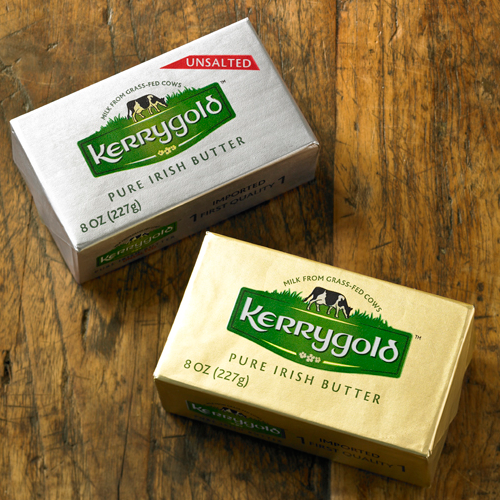
Kerrygold cows are not given antibiotics or growth hormones. And are bovine somatotrophin (rBGH) free. They do not use pesticides in their pastures. Irish dairy cows graze outdoors on grass all day long for up to 312 days a year. In fact, Irish cows graze on grass for longer than almost every country in the world.
*Please note -- Kerrygold admits that up to 3% of their feed could contain GMO's. It's given a couple months out of the year during Winter in Ireland. Not thrilled about that, but at least it's such a small amount in the feed that it won't have that great of affect to us. While it's not perfect (what food supply really is anymore?), I will continue to buy it and recommend it to others as a much better option over industrial butter or fake butter.
Organic Butter - Another good option is organic butter. Although they are typically fed a grain dominant diet, being Organic will ensure there are no growth hormones, antibiotics, harmful pesticides and GMO's being fed to the cows. Because of being fed more grains then grass-fed cows, there won't be as great of nutritional benefits. But still a wonderful option!
Regular Pasteurized Butter- And lastly, there is regular pasteurized butter from supermarkets. There's no strict regulations on what they are fed, how they are raised, and what they are given. Not the best choice, but is still a better option than margarine or spreads.
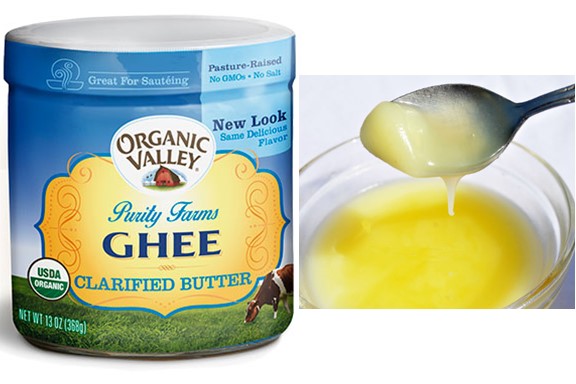
Ghee- I didn't go into the option of using Ghee in the video, but it's an amazing choice! Ghee is essentially clarified butter and is a traditional fat used in Indian cooking. But one of the major benefits is Ghee is butterfat without the lactose and casein so it's usually easy to digest for those who have dairy sensitivities, like me!
I can go more in depth on ghee in another post or video. Let me know if you're interested in learning more about it. Or even how to easily make it yourself at home! If you're not into making your own, you can find it on Amazon or some health foods stores.